
Foundation Shade Matching: Why Undertone Matters More Than Skin Tone
A client came in last month with three foundations in her bag, all bought within the past year, all labeled a shade close to hers. She had stopped wearing two of them within a week each. This comes up often enough in sessions that it's usually the first thing we check, and it's rarely about the shade number at all.
Why does the same shade number look different on two people?
Foundation shades are built mostly around depth, how light or dark a color is. Skin also carries a temperature: warm, cool, or somewhere in between. A "medium beige" foundation made for a warm undertone can look chalky or gray on someone cool, even when the depth is a near-perfect match. That gray cast, or the opposite problem of a foundation turning orange after an hour, is almost always a temperature mismatch rather than a depth one.
What's the actual difference between skin tone and undertone?
Skin tone is how light or dark your skin is, and it shifts with the season or how much sun you've had. Undertone is the color underneath, and it stays the same year-round. You can be fair with a warm undertone, or deep with a cool one. Foundation shopping usually only accounts for the first, which is how people end up with a drawer full of near-misses.
How do you actually find your undertone?
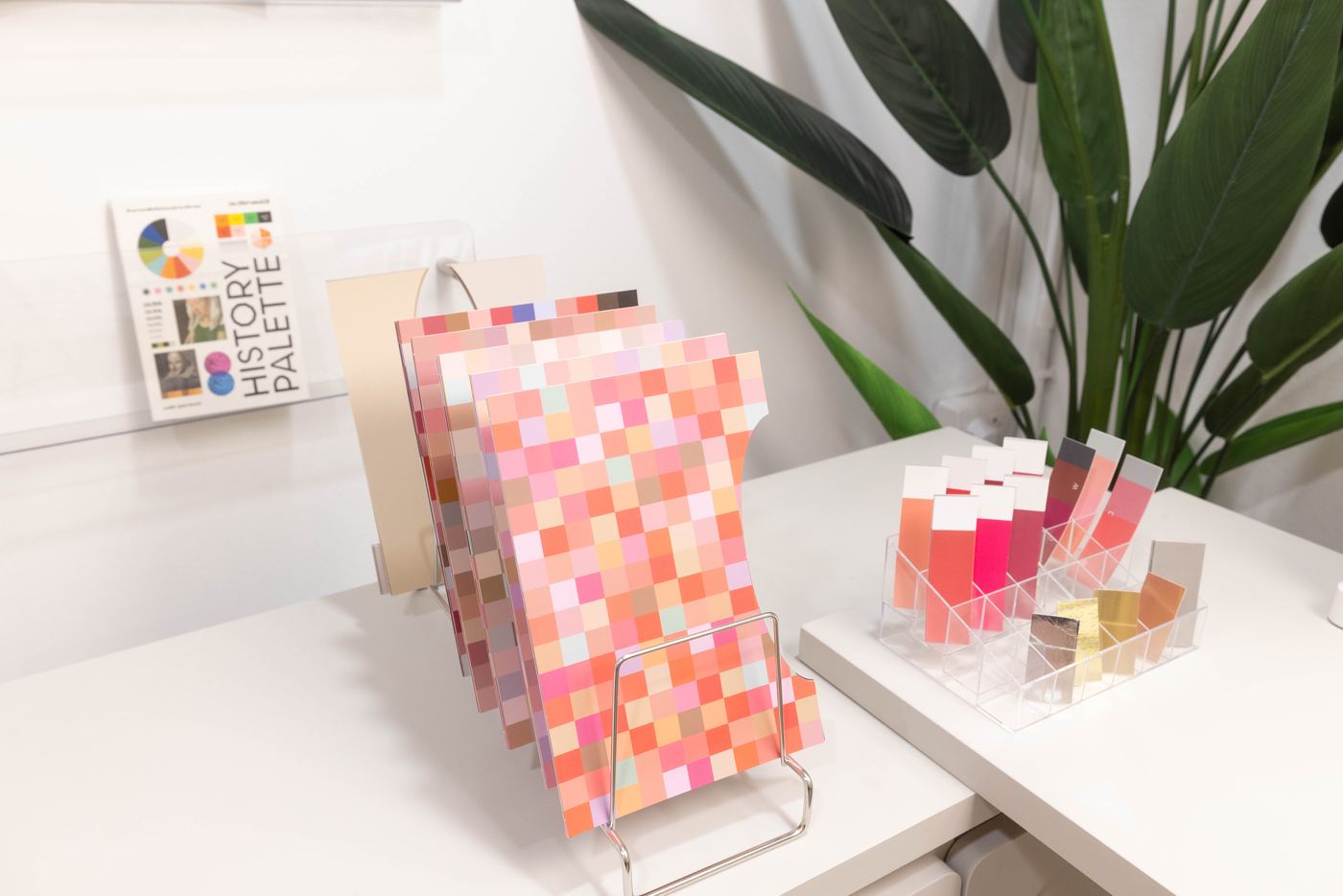
The tests people share online, checking vein color or whether gold or silver jewelry suits you, are a reasonable starting point but not reliable on their own. Vein color is affected by skin thickness and lighting as much as undertone, and plenty of cool-toned people wear gold just fine. We go through why those quick tests fall short in our full undertone guide. At the studio we use calibrated lighting and drape a series of fabrics against the skin under neutral conditions, since color reads very differently under warm indoor bulbs than it does in daylight. It takes the guessing out of it.
Can your undertone be neutral, or is that just an easy answer?
True neutral undertones exist, but they're less common than the label suggests. A lot of "neutral" turns out to be a warm or cool undertone that was never tested properly, often because it was checked under the wrong lighting or against the wrong colors. If you've been told you're neutral and still can't find a foundation that sits right, it's worth a second look rather than treating neutral as a dead end.
What should you do if you're still guessing?
A few bad matches in a row is usually a sign that the process, not your patience, is the problem. A full color analysis maps your undertone alongside your best clothing, hair, and makeup shades in one session, including lipstick and blush, so foundation stops being trial and error.
Explore more from Soori Studio
- Warm or Cool Blush? How to Pick the Right Pink
- What Lipstick Shade Actually Suits You, by Color Season
- How to Find Your Skin Undertone
You were meant to shine, as you are.