
Warm or Cool Blush? How to Pick the Right Pink for Your Undertone
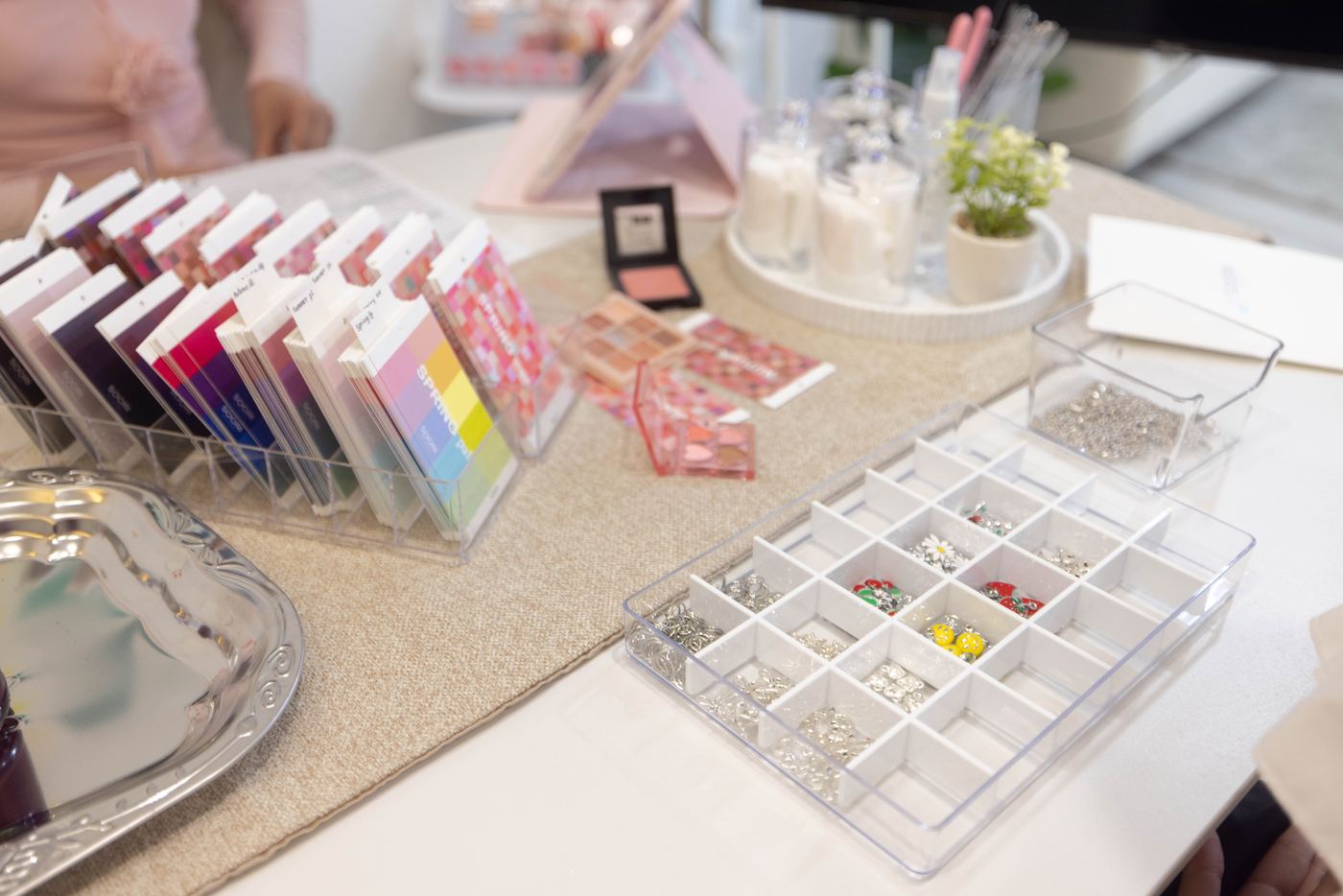
Blush is usually the last thing people think to check for undertone, right after they've already sorted out foundation and lipstick. It's also the one most likely to look wrong in photos even when it looks fine in the mirror, since blush sits close to the surface and reacts more to camera flash than most other products.
Why does blush look different in photos than in the mirror?
Camera flash and phone cameras tend to exaggerate whatever undertone you're wearing, which is why a blush that reads as a soft pink in person can suddenly look orange or purple in a photo. If that keeps happening no matter what shade you buy, the problem usually isn't the blush itself but whether its undertone actually matches yours.
What's the difference between a warm and cool blush?
Warm blushes lean toward peach, coral, or terracotta, colors with orange or gold underneath them. Cool blushes lean toward pink, rose, or berry, colors with blue or purple underneath them. Two blushes can look almost identical in the pan and still sit on opposite sides of that line once they're blended into skin. It's the same warm-or-cool split that decides your foundation shade, so if you've already worked that out, blush should be quicker.
Can you tell which one you need just by looking at the packaging?
Not reliably. Brands name shades for marketing, not for undertone, so "peachy pink" from one brand can behave like a warm coral while the same name from another brand leans cool. The color in the pan is a better clue than the name on the label, but even that shifts once it's on skin, which is why we test blush the same way we test everything else, against calibrated lighting rather than guessing from the compact.
Does the same blush work for cheeks and lips?
Sometimes, but not automatically. A warm-toned blush and a warm-toned lip color happen to work together often enough that people assume any blush doubles as lip color, but the finish and pigment concentration are usually different enough that one ends up looking patchy doing the other's job. Worth testing separately, especially once color season is factored in on top of undertone.
How do you actually pick the right one?
The fastest way is to hold a few real options against your skin under the same lighting you'll actually wear it in, ideally daylight. That's close to what happens in a color session, just with a wider set of tested swatches than whatever's already in your makeup bag. If you're not sure where to start, our undertone guide is a good first read.
Explore more from Soori Studio
- Foundation Shade Matching: Why Undertone Matters More Than Skin Tone
- What Lipstick Shade Actually Suits You, by Color Season
- How to Find Your Skin Undertone
You were meant to shine, as you are.